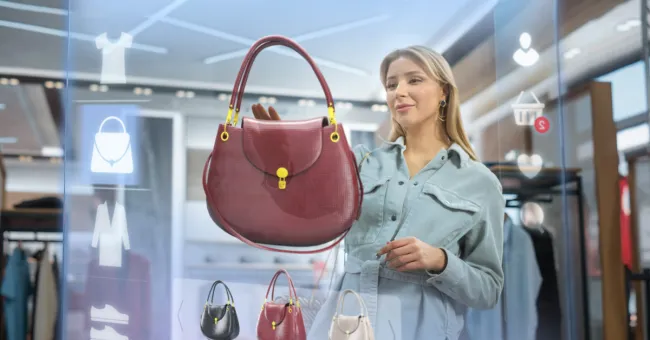
Bridging the gap between physical and virtual fashion
An expected increase in metaverse usage coupled with more advanced VR environments and virtual avatar creation has driven many brands to explore the sale of virtual goods. A prime example is Parallel by Tommy Hilfiger.
The metaverse is a nexus of many different worlds. Gartner suspects that by 2026, 25% of all people will spend at least one hour per day in the metaverse for shopping, work, education, social or entertainment. This expected increase in usage coupled with more advanced virtual reality (VR) environments and virtual avatar creation has driven many brands to explore the sale of virtual goods. This trend has been particularly pervasive in fashion as brands increasingly design and sell clothes for the metaverse.
Many brands are exploring virtual fashion in the context of a variety of use-cases. We explored a variety of examples in our extensive article on …